
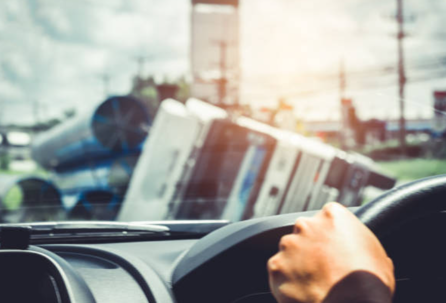
A sudden cargo spill from a big rig on a Marysville road can transform a routine drive into a chaotic, dangerous situation. These accidents go beyond causing traffic jams—they often lead to serious injuries, extensive property damage, and days or even weeks of disruption for our community. At Bridges, Jillisky, Weller & Gullifer, LLC, we know that the aftermath of a cargo spill accident brings confusion, questions about responsibility, and uncertainty about where to turn for help. This guide outlines what makes cargo spills so dangerous, how fault is determined, and what steps you can take to protect your rights in Union County and throughout Ohio.
Why Are Truck Cargo Spills So Dangerous on Marysville & Union County Roads?
When a big rig loses its cargo on the road, the situation becomes instantly hazardous for everyone nearby. Unlike a typical car accident, spilled cargo from a semi can block entire lanes, create slick or unstable driving surfaces, and expose people to materials they may not recognize or know how to avoid. These spills become even more treacherous on curved county roads and high-traffic arteries like US-33 or SR-4, where fast-moving traffic can’t always stop in time. The risk for dangerous secondary crashes and vehicle pile-ups increases dramatically.
Not all spilled cargo is created equal. Some loads consist of hazardous materials—chemicals, industrial waste, or fuel—that can harm human health on contact or through inhalation. Even everyday goods, like lumber or produce, can turn deadly if scattered across wet pavement or rural ditches, especially after rain or snow. Rural and suburban areas around Marysville present unique dangers due to narrower roadways and limited escape routes for other drivers, which can slow emergency responses and make cleanup far more difficult.
The consequences of cargo spills ripple across the entire Union County community. Drivers stuck in traffic might face missed work or emergencies. Schools may reroute buses. Businesses and emergency vehicles may struggle to navigate blocked areas. The full scope of a big rig cargo spill often extends well beyond the scene itself, impacting daily life throughout our region.
What Common Mistakes & Conditions Cause Cargo-Related Truck Accidents in Ohio?
Preventable errors frequently lead to cargo spills and related big rig accidents across Ohio and in Marysville. Improper loading remains one of the main culprits. When cargo isn’t evenly distributed, secured with proper equipment, or checked for balance, even routine driving maneuvers may send loads shifting or spilling. Ohio trucking regulations require specific tie-down techniques and regular inspections, but hurried schedules or insufficient training sometimes lead to oversights.
Equipment malfunction adds another layer of risk. Worn straps, failing trailer doors, and broken fasteners can give way under the strain of heavy loads—especially when traveling on bumpy, rural roads. Although both federal and Ohio law require regular vehicle maintenance and load checks, lapses in these duties still occur, directly increasing the chance of cargo spilling onto the roadway. Unpredictable weather, like ice or sudden downpours, can transform minor mistakes into major accidents by making it harder for even the most careful drivers to control their trucks and loads.
Driver decision-making is a recurring factor. Fatigue, distracted driving, and pressure to meet unrealistic deadlines often result in reckless turns, sharp braking, or excessive speed, which can jar loose poorly secured cargo. In Union County, where commutes often include winding backroads or busy intersections, drivers distracted by phones or navigation systems have an even harder time reacting to sudden changes. Data from Ohio accident reports frequently cite both human error and challenging road conditions as common contributors to cargo spills involving commercial trucks.
Who Can Be Held Legally Liable After a Big Rig Cargo Spill Accident in Ohio?
Determining who is at fault after a cargo spill accident in Ohio requires looking at the entire chain of events and decisions, from loading the shipment to driving the final mile. Truck drivers may be held responsible if their actions directly caused the load to shift or spill—such as driving recklessly, ignoring safety checks, or failing to follow cargo securement rules. However, carriers and trucking companies often bear significant liability as well. If a company skimped on driver training, neglected safety equipment, or pressured a driver to push through bad weather, these failings may make them liable for damages.
Responsibility can also fall on third parties involved in the shipping process. The warehouse or shipper may be at fault if they failed to secure the load, packed prohibited items, or did not disclose the presence of hazardous materials. In some cases, outside mechanics or inspectors who missed problems during regular checks can also face liability. Each party’s insurance policy might be involved, and disputes about primary versus secondary coverage are common in complex cargo spill lawsuits.
Ohio uses a comparative fault system, meaning several parties can share accountability for damages—even if a victim played a small role in the incident. Sorting out fault involves gathering statements, reviewing inspection logs, and analyzing trucking company records. At Bridges, Jillisky, Weller & Gullifer, LLC, our experience with these cases means we look for overlooked details, making sure every responsible party is thoroughly investigated and held to account under state law.
What Rights Do Victims Have After a Cargo Spill Accident in Union County?
If you are hurt or suffer losses because of a big rig cargo spill in Union County, Ohio law grants you clear rights. You may be eligible to file a personal injury claim that seeks compensation for medical expenses, lost wages, property damage, and pain and suffering. For families facing long-term disability or wrongful death, state statutes provide additional pathways to recovery, though strict filing deadlines apply. Those exposed to hazardous material may have separate rights, especially if there is ongoing health monitoring or environmental cleanup needed.
To exercise these rights, you must start by documenting every detail of the incident. Save police reports, medical records, correspondence with insurers, and photographs or video from the scene. Ohio’s statute of limitations for personal injury and property damage claims is generally two years, but certain circumstances—such as cases involving minor children or claims against public entities—may affect this timeline. Acting quickly ensures you don’t lose important legal options.
Insurance companies work to resolve cargo spill claims fast—sometimes before the full extent of your injuries or losses appears. While adjusters may seem helpful, early settlement offers often fall short of actual needs, especially if future medical costs, lost earning capacity, or extensive repairs are involved. Our team at Bridges, Jillisky, Weller & Gullifer, LLC helps clients value their claims accurately and avoid signing away important rights in the process.
What Immediate Steps Should You Take After a Cargo Spill Involving a Big Rig?
Every moment counts after a big rig cargo spill. These steps help you protect your health, rights, and financial recovery:
- Get to safety: Move away from the roadway, spilled materials, and any active traffic. Hazardous cargo may be toxic on contact or inhalation—do not touch or approach unfamiliar substances.
- Report the accident: Call 911 and provide details about the accident location, number of vehicles involved, and the nature of any spilled cargo or visible hazards, if known.
- Document the scene: Take photographs or video of the vehicles, road debris, cargo, and any injuries. Collect witness names and contact information if possible.
- Seek medical attention: Even minor soreness or dizziness can signal underlying injuries from trauma or chemical exposure. Immediate care also creates essential records for any legal claim.
- Preserve records: Keep all related documents, receipts, and communications with law enforcement, medical professionals, and insurance agents.
- Consult legal counsel: Before speaking at length with insurance adjusters or accepting settlement offers, talk with a knowledgeable attorney familiar with Ohio truck accidents and insurance rules.
Quick, informed action can make a major difference not just for your immediate safety but also for your long-term ability to recover compensation after a cargo spill incident.
How Do Insurance Claims & Compensation Work After Cargo Spill Truck Accidents?
Insurance claims following a cargo spill accident in Marysville can be intricate, often involving several policies at once. Trucking companies generally hold commercial liability insurance, coverage for the transported cargo itself, and sometimes special environmental policies for hazardous materials. When an accident happens, claims may need to be filed with one or more insurers—each of whom may attempt to minimize their responsibility or dispute which policy applies.
For accident victims, this means navigating claims for medical costs, property losses, lost earning opportunities, and additional expenses related to hazardous material exposure or property cleanup. Coordination is needed, particularly if multiple vehicles or businesses are impacted. It’s not uncommon for initial settlement offers to fail to cover long-term injuries, missed wages, or ongoing care. Disputing or negotiating with insurers becomes more complex the more parties are involved, especially if trucking companies or shippers argue about who must pay for the damages.
Working with attorneys familiar with Ohio truck accident litigation and insurance coverage can bring clarity and peace of mind to claimants. At Bridges, Jillisky, Weller & Gullifer, LLC, we review all applicable insurance coverage, gather supporting documents, and communicate with insurers on your behalf—helping you get a resolution that truly supports your recovery needs and community impact.
How Do Hazardous Material Spills Differ from Other Cargo Spills in Ohio?
Hazardous material spills from big rigs introduce heightened dangers for victims, responders, and the larger community. Hazardous cargo can include chemicals, fuels, corrosives, or industrial byproducts that pose grave risks even in small amounts. Exposure to these materials—through skin, inhalation, or water contamination—can result in severe burns, long-term respiratory conditions, or other lasting health problems. Union County law enforcement and fire departments receive specialized hazmat training, but immediate and long-term risks may persist after clean-up.
Legal liability and recovery options also change for hazardous material spills. Federal and state law require carriers to strictly follow guidelines for labeling, documenting, and handling dangerous substances. Penalties for violating these rules, as well as cleanup costs, can be steep, and responsibility often extends up the supply chain from the trucking company to manufacturers, shippers, and even vendors who supplied packaging or labeling materials. Cases involving hazardous spills require thorough investigation to ensure all regulatory requirements were followed and to identify each liable party.
Those affected by toxic exposure or widespread contamination may require specialized medical care or environmental remediation, and may be able to seek compensation for these costs. At Bridges, Jillisky, Weller & Gullifer, LLC, we coordinate closely with medical experts and local agencies to ensure accident victims, affected homeowners, and local businesses receive complete guidance and support during what is often an extended recovery and legal process.
How Federal & Ohio Law Shape Trucking & Cargo Safety Rules
Big rig cargo spills almost always trigger close review of compliance with multiple overlapping regulations. The Federal Motor Carrier Safety Administration (FMCSA) maintains detailed rules for securing cargo, maximum truck weight, and vehicle conditions. Ohio’s Department of Transportation and Public Utilities Commission add requirements for regular vehicle inspections, driver training, and daily recordkeeping. These laws exist to reduce the risk of cargo shifts, spills, and related crashes on highways and backroads alike.
Failing to follow these regulations can have significant legal consequences in cargo spill cases. Evidence of missing inspection logs, overloaded trailers, or incomplete manifests can support a claim that another party’s negligence directly resulted in harm. Regulatory violations may also lead to fines or penalties from state and federal agencies, independent of any civil lawsuit. For accident victims, proving a defendant failed to meet regulatory standards can strengthen an injury or property damage claim during insurance negotiations or litigation.
Agencies that typically investigate big rig cargo spills include state police, local law enforcement, the Ohio State Highway Patrol, and, if hazardous materials are involved, federal regulators. Their reports and findings can be critical evidence for anyone pursuing compensation, especially as they detail crash causes, response times, and compliance failures. Having legal guidance that understands the nuances of trucking and cargo law helps victims take advantage of this regulatory framework to achieve the best possible outcome for their case.
What Long-Term Consequences Do Cargo Spill Accidents Create for Victims & Communities?
Victims of big rig cargo spills may contend with serious long-term health consequences, loss of mobility, or permanent changes to their ability to work. Prolonged medical treatment, therapy, and adaptive technologies can create steep costs that go well beyond what is initially covered by insurance. Families often find themselves adapting to new routines, sometimes requiring home modifications or additional support services to maintain quality of life after a serious injury.
Beyond the individual impact, the broader Marysville and Union County communities can face persistent disruption from a major cargo spill. Environmental contamination may threaten water resources or farmland, particularly after hazardous material incidents. Road repairs, debris clearance, and extended detours can limit business operations, emergency access, and even property values for months or years. When traffic arteries are blocked, commuters lose time and local businesses lose customers, putting extra stress on the region’s economy.
Repeated cargo spill incidents in or near a community often lead to calls for improved highway design, better signage, stricter inspection routines, and more frequent driver education. At Bridges, Jillisky, Weller & Gullifer, LLC, we not only represent individual victims but also advocate for more effective regulatory enforcement and community safety measures that protect everyone who shares our roads.
Why Choosing a Local Law Firm Matters After a Big Rig Cargo Spill Accident
The unique legal and logistical challenges of a cargo spill accident make it essential to work with a law firm that understands both the specifics of trucking regulations and the local realities of Marysville and Union County. Local attorneys have deeper knowledge of regional road conditions, area courts, and the way insurance carriers approach claims in Ohio. We build working relationships with area experts, medical providers, and investigators who help clarify what really happened and how best to pursue claims.
At Bridges, Jillisky, Weller & Gullifer, LLC, we get to know every client and their circumstances, which enables us to design strategies that reflect both immediate and long-term needs. We fight for comprehensive compensation—taking into account future care, lost opportunities, environmental impacts, and the non-economic hardships that often result from these traumatic incidents. Our approach combines attentive client service with diligent case research, making sure clients throughout the region always feel informed, respected, and supported during every stage of their case.
If you’re unsure about your options after a big rig cargo spill in Union County or surrounding areas, we invite you to reach out for answers. A single conversation with our responsive legal team can help you understand your rights and start the process of recovery. Contact Bridges, Jillisky, Weller & Gullifer, LLC today at (937) 403-9033 to take the first step toward moving forward with confidence after a cargo spill accident in Marysville or across Ohio.